• Stockists
  • Contact Us
  • Company
  • Home
      • Pest
      • Garden
  • Pest Problem Solver
  • Products
  • Pests
  • Pest Advice
close
Go to product page
Pest Guy

Pest Problem
Solver

These products deal with mice

NO Mice Nooski Trap NO MICE NOOSKI TRAP /assets/Uploads/Packshots/_resampled/SetWidth120-NO-Mice-Nooski-Trap.png

Benefits

  • Kills quickly every time.
  • No poison.
  • No snapped fingers.
  • Safer around kids & pets.
  • For indoor & outdoor use.
RM BBlocks 480g NO RATS & MICE WEATHERPROOF BAIT BLOCKS /assets/Uploads/Packshots/_resampled/SetWidth120-RM-BBlocks-480g.png

Benefits

  • Indoor & outdoor rodent control.
  • Weatherproof rodenticide for damp areas.
  • Highly palatable to rodents for more effective control.
  • Low eco-toxicity.
RM 2 Stations NO RATS & MICE BAIT STATIONS /assets/Uploads/Packshots/_resampled/SetWidth120-RM-2-Stations.png

Benefits

  • Highly palatable for effective rodent control.
  • Rodenticide for use indoors.
  • Easy to handle and low eco-toxicity.
  • Handy prefilled bait stations keep bait contained reducing spillage.
  • NO RATS & MICE DUAL ACTION BAIT & POWDER can be used to refill bait stations.
RM Dual 375g NO RATS & MICE DUAL ACTION BAIT & POWDER /assets/Uploads/Packshots/_resampled/SetWidth120-RM-Dual-375g.png

Benefits

  • Dual action bait and powder to effectively kill rats and mice.
  • Highly palatable bait that is eaten by rats and mice.
  • Plus powder that clings to fur and is ingested during grooming.
  • For use indoors - very effective in dry areas.
  • Low eco-toxicity.
NaturalNoRats300g NATURAL NO RATS /assets/Uploads/Packshots/_resampled/SetWidth120-NaturalNoRats300g.png

Benefits

  • For control of rodents.
  • Non toxic to other animals and people.
  • No secondary poisoning.
  • 100% natural, cereal pallet based.
  • BioGro® Certified Organic.

House Mouse

Kiwicare Pest » Pests » H – P » mice

mice

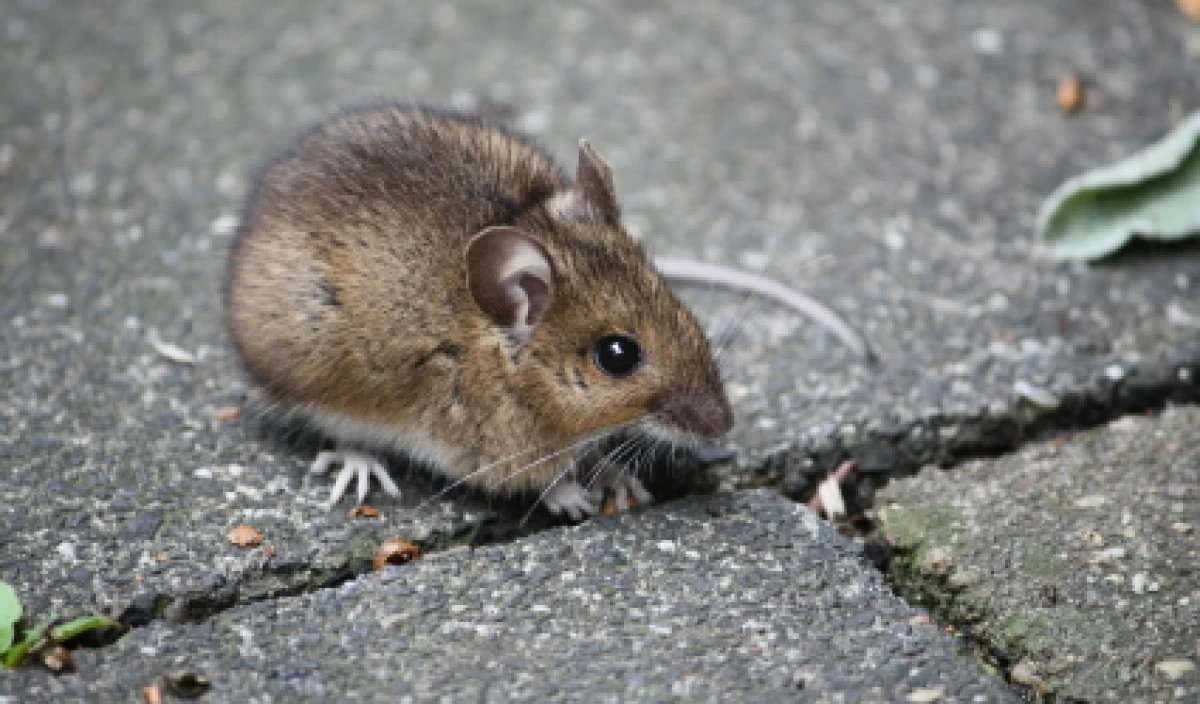
The common house mouse is a pest of significant importance both as it damages wiring, pipework and buildings with its gnawing and will carry and transmit disease.


How to About Tips Related articles Gallery

HOW TO CONTROL MICE

To get rid of mice follow these steps:

  1. Bait > Place NO RATS & MICE BAIT BLOCKS or NO RATS & MICE DUAL ACTION BAIT & POWDER at strategic, safe points, inside and outside affected buildings, in order to reduce populations around the building and to deal with individuals that enter, before an infestation can take hold. If you do not wish to use toxic rodenticide bait, NATURAL NO RATS is a bait that is harmful only to rodents. However it should only be used in dry areas where other food sources can be controlled.
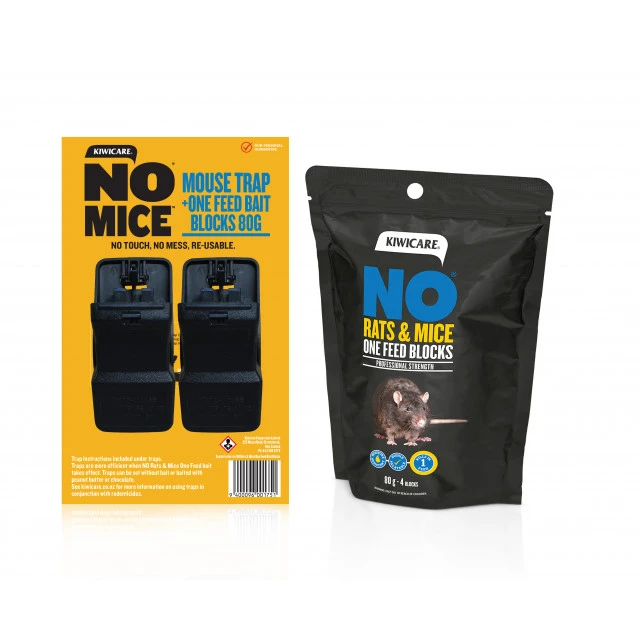
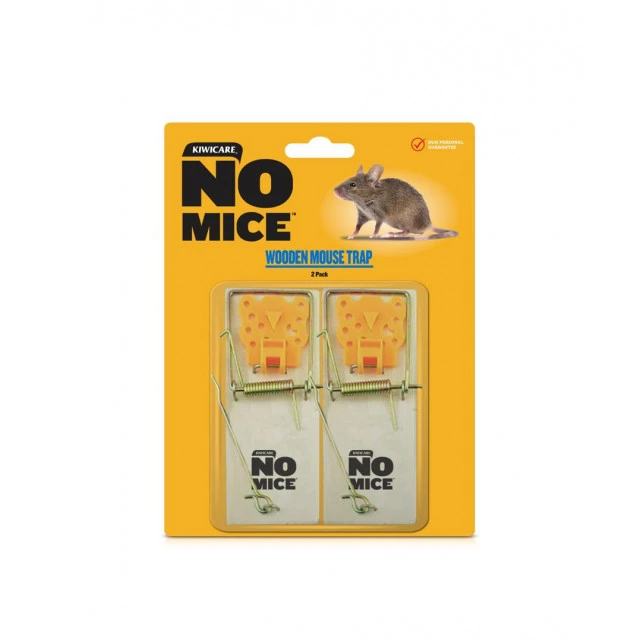
  2. Trap > Kiwicare NO MICE TRAPS are the safe and effective way to catch mice. The new traps can be used in conjunction with rodenticides helping catch mice that have taken bait so the bodies can be removed. The NO MICE TRAPS can also be used where rodenticides cannot be placed.
    Watch a video on how to set and bait the Kiwicare NO Mice Nooski Trap.
  3. Proof  > Check for possible rodent entry points. Mice can get through gaps as small as the width of a pencil. Seal gaps under doors, around pipe work and cables. Cut vegetation away from roofs where it could help rodents get onto eaves and enter.

About

Of the mice, the house mouse (Mus musculus) is a pest in urban and rural environments. Rodents will enter your buildings at any time of the year; however, autumn/winter is the time when mice and rats seek new supplies of food, as the natural supplies in the countryside dwindle. They also seek shelter from the colder weather. All too often they easily find shelter and ample food in our homes, offices, shops and factories.


Did you know?

You may hear a scurrying or gnawing sound in your roof space or under the floor as the first indication of infestation. Or perhaps you find a bar of chocolate half eaten in a cupboard. More alarming would be an electrical problem, caused by rodents gnawing though your wiring. With such signs it may be difficult to say whether you have rats or mice.

If droppings are found, the identification is much easier. Rat droppings are much larger, typically one inch (25mm) long and with a characteristic pointed end. Mouse droppings are less than 1/4 inch (4mm) long and usually more numerous. A mouse can produce around 80 droppings in a day!

If you want to know which species you have an infestation of try the ID Table.

The species of rodent (rats and mice) found in New Zealand are:

  • The brown rat, Norway Rat or water rat, scientific name - Rattus norvegicus
  • The roof rat, black rat or ship rat, scientific name - Rattus rattus
  • The Kiore, polynesian rat scientific name - Rattus exulans
  • The house mouse, scientific name - Mus musculus

  • Identification of Rats and Mice
  • Stop Rodents Getting Into Your Home
  • No Rats & Mice
  • Integrated Pest Management
  • Trapping Rats and Mice
  • NO Rats NOOSKI Trap
  • NO Mice NOOSKI Trap

Tips

It is important to keep all toxic baits out of reach of children, pets and other non-target animals both from a safety point of view and from the point of view of finding the best place for rodents to find and eat the bait. Ideal bait sites are roof and ceiling voids, behind cupboards, fridges, freezers, etc

In areas where toxic baits cannot be used NO RATS TRAPS and NO MICE TRAPS or NATURAL NO RATS can be used.

Gallery

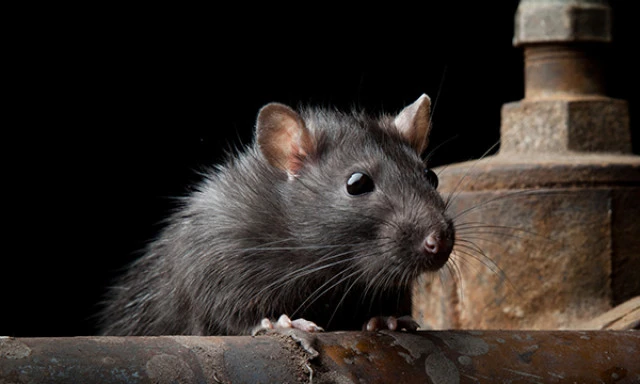
House mouse. Colour can vary from pale brown, grey through to dark brown, black. Mouse droppings shape and size.

About Kiwicare

We are Kiwis providing expert local solutions that keep your place pest free and your garden healthy.

Garden

Garden home Garden Problem Solver Products Pests Diseases Weeds Garden Health Organics

Company

About News Products Vacancies Useful Links Contact
Proudly made in NZ

© 2011 Kiwicare